
Pedestrian Accident Attorney in Tacoma
Trial-Ready Representation After a Serious Pedestrian Collision
A collision between a vehicle and a person walking can lead to emergency treatment, ongoing medical care, missed work, and immediate contact from an insurance company. Our attorneys represent injured pedestrians in Tacoma and examine the crossing location, traffic controls, driver conduct, available evidence, and full effect of the injuries.
We handle the legal and insurance issues while documenting how the collision affected your health, income, and daily activities. A free initial consultation gives you an opportunity to discuss what happened, what evidence may be available, and what steps may come next.
Get started today by calling (253) 300-3034 or contacting Hester Law Group online.
Pedestrian & Bicycle Accident Claims in Tacoma
Pedestrian claims commonly involve crosswalk right of way, driver visibility, traffic signals, and the timing of a person’s movement into the roadway. Bicycle collisions can raise different questions about lane position, passing clearance, and whether the cyclist was riding on the roadway or within a crosswalk.
We represent injured pedestrians and cyclists throughout Tacoma, Pierce County, and Washington. A claim may arise at a marked or unmarked crosswalk, intersection, sidewalk, roadway shoulder, parking area, or commercial property. The location matters because roadway design, lighting, traffic controls, surveillance footage, and nearby witnesses can affect the liability analysis.
Crosswalk accident cases can arise at busy Tacoma locations, including along Pacific Avenue or near the University of Washington Tacoma campus. Rather than assume a location establishes fault, we examine the specific scene and the conduct of everyone involved.
Washington Crosswalk Rights & Roadway Responsibilities
Under RCW 46.61.235, a driver must stop and remain stopped for a pedestrian within a marked or unmarked crosswalk when the pedestrian is on the driver’s half of the roadway or approaching closely enough from the opposite half to create danger. The statute also prohibits another driver from passing a vehicle stopped at a crosswalk for a pedestrian.
Crosswalk right of way isn’t absolute. The same law states that a pedestrian may not suddenly leave a curb or other place of safety and move into the path of a vehicle that is too close for the driver to stop. A claim therefore requires close attention to vehicle speed, visibility, roadway position, traffic signals, and the timing of the pedestrian’s movement.
Other roadway rules may affect the analysis:
- Bicyclists’ Rights: When riding on the roadway, a bicyclist generally has the rights and responsibilities applicable to a vehicle driver under RCW 46.61.755.
- Safe Passing: Washington law establishes requirements for drivers passing cyclists, including lane use and passing clearance under applicable conditions.
- Pedestrian Roadway Use: When a sidewalk is available, pedestrians generally must use it. When one isn’t available, RCW 46.61.250 addresses where a pedestrian should walk along a roadway or shoulder.
A traffic rule can be important evidence, but it doesn’t decide every claim by itself. We analyze the police report, accident scene, witness accounts, and other available evidence to determine how the rules apply to the collision.
Common Causes & Potentially Responsible Parties
Unsafe driving is a frequent cause of pedestrian and bicycle collisions. Failure to yield, distraction, speeding, impaired driving, and unsafe turns can place a person in a crosswalk or alongside the roadway directly in a vehicle’s path.
Potential accident circumstances include:
- Failure to Yield: A driver continues through a marked or unmarked crosswalk while a pedestrian has the right of way.
- Distracted Driving: A driver’s attention is diverted by a phone, navigation system, passenger, or activity inside the vehicle.
- Unsafe Speed: A driver travels too quickly for traffic, visibility, weather, or conditions near a crossing.
- Impaired Driving: Alcohol or drugs affect a driver’s perception, judgment, or reaction time.
- Unsafe Sidewalks: A poorly maintained walkway or other dangerous property condition contributes to a pedestrian’s injury.
- Bicycle Equipment Failure: A defective bicycle or component contributes to a crash and raises questions about manufacturer responsibility.
Liability generally rests with the person or entity whose conduct caused the accident. Depending on the evidence, that may include a driver, vehicle owner or employer, equipment manufacturer, or public or private property party. A motorist may be responsible for failing to yield, but causation still must be established from the facts.
We don’t assume that a driver, pedestrian, cyclist, municipality, or property owner is automatically responsible. We examine police reports, witness statements, traffic controls, property conditions, and the relationship between each party’s conduct and the collision.
Negligence & Evidence in a Pedestrian Accident Claim
To prevail on a personal injury claim, an injured person generally must establish that another party acted negligently, that the negligence caused the collision and injuries, and that the person sustained measurable damages. Our personal injury lawyers build that analysis from evidence rather than relying only on a driver’s admission or the initial insurance assessment.
Pedestrian accident evidence can disappear quickly. Video may be overwritten, physical conditions can change, and witness memories can fade. We prepare civil injury files with a trial-first approach, preserving available records and organizing the proof needed to evaluate responsibility and damages.
Depending on the accident, relevant evidence may include:
- Police Records: The collision report, diagrams, citations, and recorded observations from responding officers.
- Scene Documentation: Photographs of vehicle positions, damage, crosswalk markings, signals, sight lines, lighting, and roadway conditions.
- Camera Footage: Available traffic-camera, doorbell, vehicle, or business surveillance footage showing the collision or events around it.
- Witness Accounts: Statements from people who observed the driver, pedestrian, traffic signal, or impact.
- Physical Evidence: Vehicle damage, damaged bicycles, clothing, footwear, and personal property.
- Medical Evidence: Medical records, treatment history, diagnostic findings, and testimony concerning the injuries and anticipated limitations.
- Employment Records: Wage information and documentation of missed work or reduced ability to earn income.
The investigation must connect the responsible party’s conduct to the collision, then connect the collision to the injuries and claimed losses. Not every category of evidence exists in every case, so early review helps identify what may still be obtained.
Damages in a Pedestrian Accident Claim
A pedestrian injury claim may seek compensation for documented financial and personal losses. The available categories and their value depend on the injury evidence, liability facts, insurance coverage, and effect of the collision on the injured person.
Potential damages may include:
- Medical Expenses: Emergency care, hospital stays, surgery, rehabilitation, medication, and anticipated treatment related to the injuries.
- Lost Wages: Income lost while the injured person is unable to work or must reduce working hours.
- Lost Earning Capacity: Reduced ability to earn income when an injury creates lasting work restrictions.
- Pain & Suffering: Physical pain, emotional effects, and loss of normal activities resulting from the accident.
- Property Damage: Damage to a bicycle, phone, clothing, or other personal belongings.
No category or amount is automatic.
Washington Deadlines for Filing an Injury Claim
Washington law generally provides three years from the date of an injury to file an action involving injury to a person under RCW 4.16.080. Missing the applicable deadline can prevent a claim from proceeding in court.
However, exceptions and claim-specific procedures can affect that timeframe. Cases involving minors or government entities may be subject to different timing considerations, and a public-entity claim may require additional notice before a lawsuit is filed. Prompt legal advice is important because the correct deadline can depend on the defendant, claim type, plaintiff’s status, and governing procedure.
Washington Comparative Fault in Pedestrian Claims
Insurance companies may argue that a pedestrian entered the roadway unexpectedly, crossed against a signal, was distracted, or was difficult to see. They may raise similar arguments about a cyclist’s signaling, lighting, or lane position. Those allegations require evidence and don’t automatically defeat a claim.
Washington follows a pure comparative fault rule. Contributory fault doesn’t bar recovery, but it proportionately reduces compensatory damages based on the claimant’s assigned percentage of fault. For example, if proven damages total $500,000 and the claimant is found 20% at fault, the award would be reduced by $100,000 to $400,000.
Fault analysis may include the crossing location, traffic signals, lighting, visibility, driver attention, vehicle speed, and timing of the collision. We respond to comparative-fault allegations by examining the physical evidence and the conduct of each party.
What Should I Do After a Pedestrian Accident?
Your safety and medical needs come first. Don’t remain in traffic or delay emergency care to take photographs, locate witnesses, or collect other information.
- Call 911: Report the collision and request emergency medical assistance.
- Move to Safety: Leave the roadway if you can do so without worsening an injury or creating another danger.
- Get Medical Evaluation: Allow first responders or a medical professional to assess your condition, even if the full extent of the injuries isn’t immediately apparent.
- Gather Witness Information: Obtain names and contact details if your condition and the scene safely permit it.
- Document the Scene: Photograph vehicles, road conditions, signals, crosswalk markings, visible injuries, and nearby cameras when it’s safe to do so.
- Avoid Discussing Fault: Don’t admit blame or speculate about what caused the accident.
- Preserve Records: Keep medical paperwork, bills, damaged property, employment records, and insurance correspondence.
- Contact an Accident Lawyer: Discuss evidence preservation and insurer communications before important records disappear or statements are taken out of context.
What Our Pedestrian Accident Lawyers Do After a Collision
A pedestrian accident attorney in Tacoma can manage the investigation, insurance claim, damages documentation, negotiation, and litigation process. We identify potentially responsible parties, collect available evidence, evaluate applicable insurance, and organize medical and employment records supporting the claimed losses.
We also handle communications with insurance companies and respond to requests for statements, records, or authorizations. When a dispute can’t be resolved through negotiation, we prepare the file for litigation and trial rather than treating courtroom preparation as an afterthought.
Our clients receive direct communication and regular updates as their matters progress. Civil injury cases are handled under a contingency-fee arrangement, which means there are no upfront attorney fees and no attorney fees unless compensation is recovered.
Trial-Focused Representation for Tacoma Pedestrian Injuries
We bring more than 130 years of combined legal experience to serious injury and civil litigation matters. Our attorneys include a former judge, a former prosecutor, and three past presidents of the Tacoma-Pierce County Bar Association. Those backgrounds inform how we evaluate evidence, prepare witnesses, address disputed liability, and present a case in court.
Our attorneys are active cyclists and runners. We run for exercise, train for competition, and participate in races and triathlons. That personal familiarity with walking, running, and cycling informs the practical questions we ask about sight lines, vehicle movement, road conditions, and the conduct of people using the roadway.
We represent injured pedestrians and cyclists and handle serious motor vehicle, government liability, and wrongful death matters. Our work has included cyclists in Pierce and King Counties, and we represent clients across Washington. We prepare serious injury claims with the possibility of trial in mind.
Discuss Your Pedestrian Accident in a Free Consultation
A free consultation gives you an opportunity to discuss the collision, your injuries, available evidence, insurance contact, and possible next steps with a pedestrian accident lawyer in Tacoma. You don’t pay upfront attorney fees for a civil injury matter, and attorney fees are owed only if compensation is recovered.
Get started today by calling (253) 300-3034 or filling out this online form to schedule a free consultation with our Tacoma pedestrian accident attorneys.

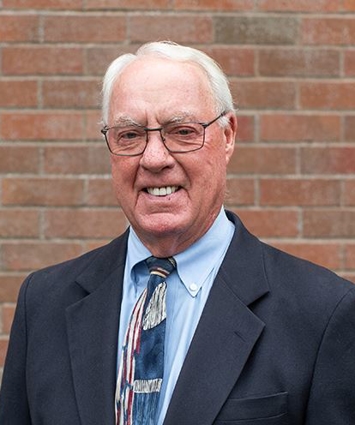
The Hester Law Group Team
Client-Focused and Results-Driven



We Are the Team You Want on Your Side
-
Results MatterAt Hester Law Group, we strive to provide the most optimal outcome for our clients. We are not afraid to fight for you.
-
Accessible to ClientsWe understand the urgency clients have when they need an attorney. We are available 24/7 to help you.
-
We Truly CareWe feel honored to help someone through the toughest time they will ever go through.
-
Personalized ApproachAt Hester Law Group, we use a personal approach that best suits the needs of our clients.
-
Unparalleled ExperienceWe have been a successful team for two decades and have over 130 years of combined experience.
-
We Are Trial LawyersOur experienced top-notch team has successfully tried cases in both state and federal courts across the nation.